History of Gettysburg
Introduction
Gettysburg is one of the most historically significant towns in the United States, best known for its role in the American Civil War. Located in Pennsylvania, Gettysburg became the site of one of the most decisive battles in American history. Today, it stands as a symbol of sacrifice, unity, and national heritage, attracting visitors from around the world who wish to learn about its powerful past.
Early History of Gettysburg
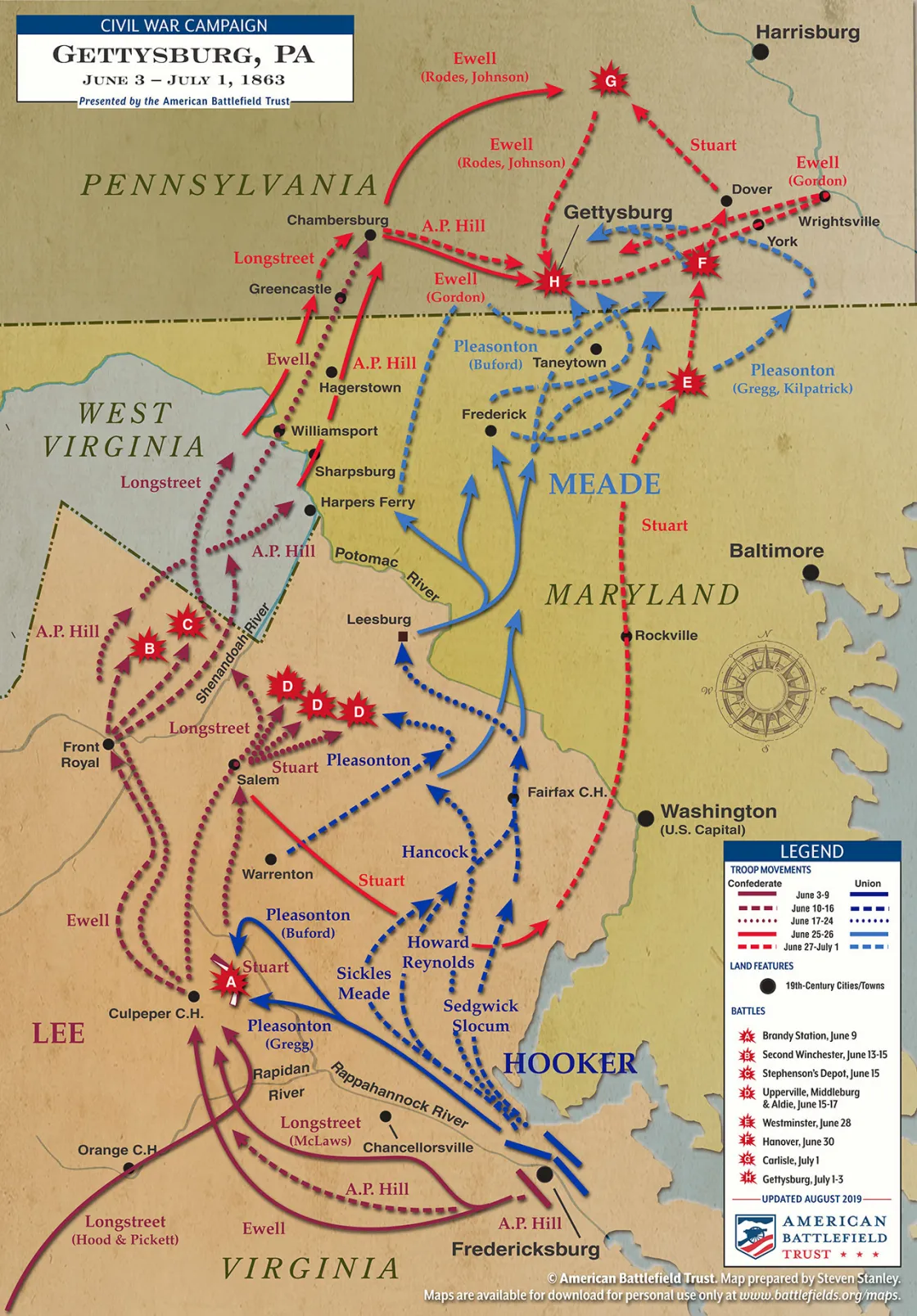
Gettysburg was founded in 1786 by James Gettys and was originally named Gettysburg in his honor. Before the Civil War, the town was a quiet agricultural community with fertile farmland and important road connections. These roads later played a crucial role in bringing large armies into the area, unintentionally setting the stage for one of the most important battles in U.S. history.
The Battle of Gettysburg (July 1–3, 1863)
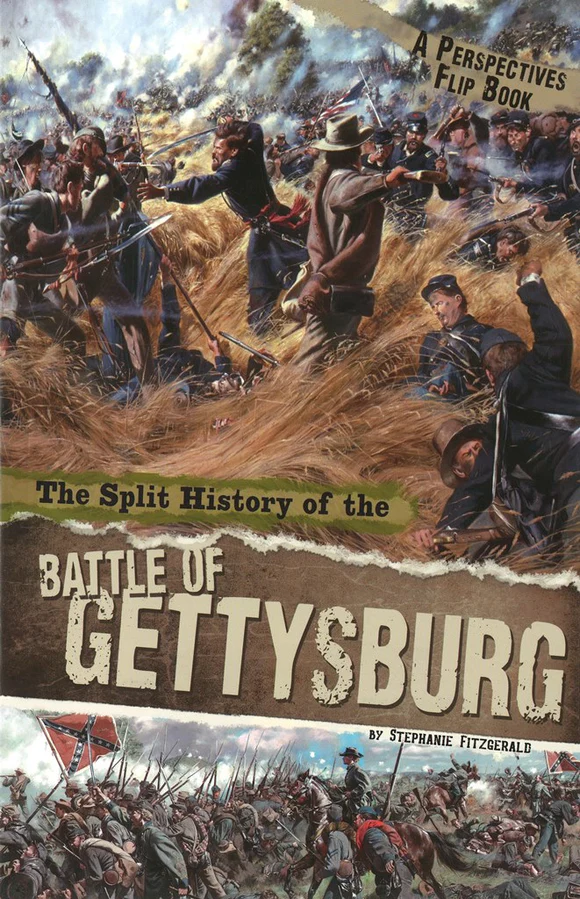
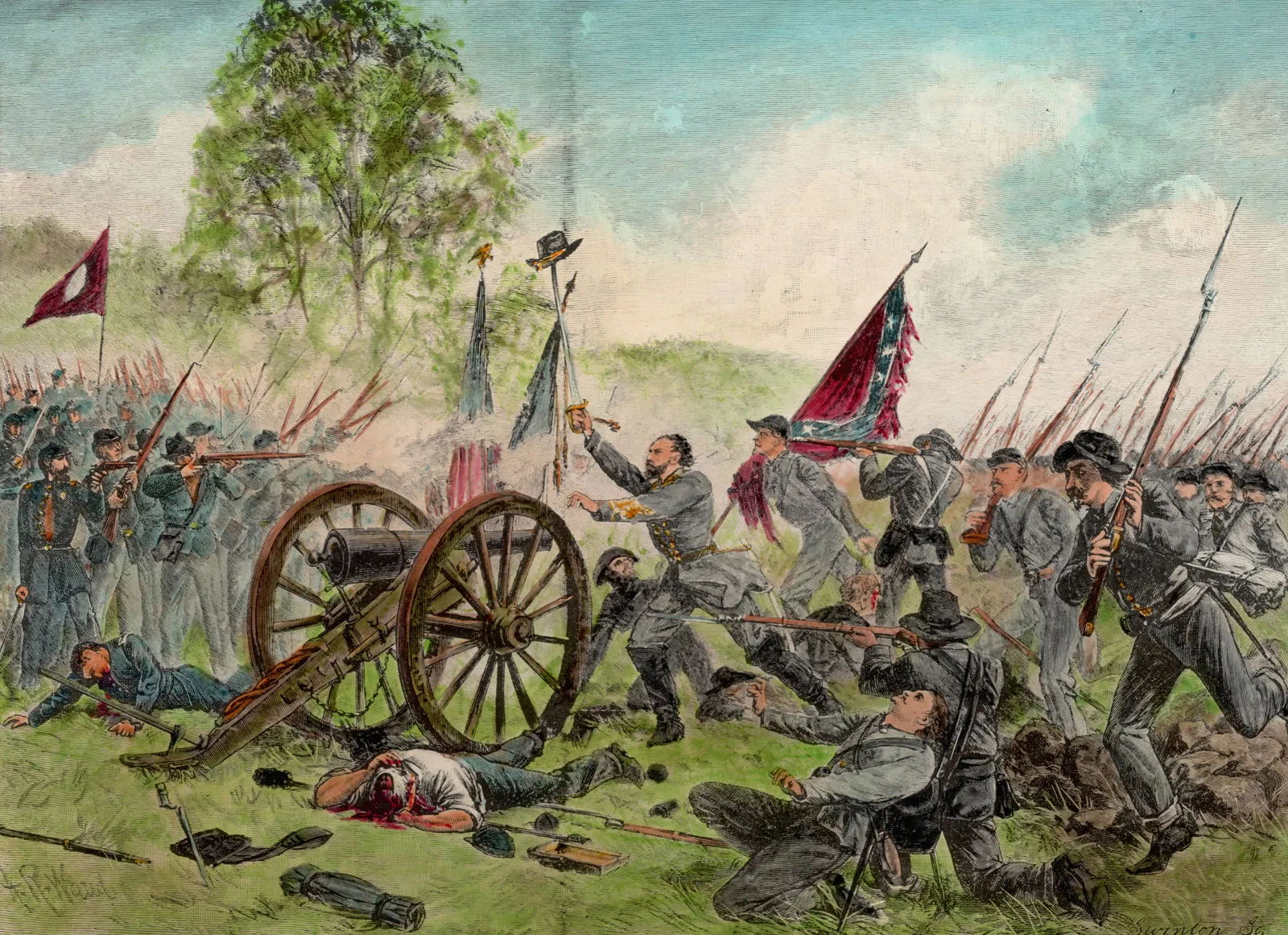
The Battle of Gettysburg, fought from July 1 to July 3, 1863, was a major turning point in the American Civil War. Union and Confederate forces clashed in and around the town, resulting in one of the bloodiest battles ever fought on American soil.
Over three days, intense fighting took place across fields, hills, and streets. The Union Army successfully repelled the Confederate Army led by General Robert E. Lee, ending his attempt to invade the North. The battle resulted in over 50,000 casualties, marking it as a defining moment in the war.
Gettysburg Address
In November 1863, President Abraham Lincoln visited Gettysburg to dedicate the Soldiers’ National Cemetery. During this ceremony, he delivered the famous Gettysburg Address, a brief but powerful speech that honored fallen soldiers and emphasized the principles of liberty and equality.
The address became one of the most important speeches in American history, redefining the purpose of the war and strengthening the nation’s commitment to democracy.
Gettysburg After the Civil War
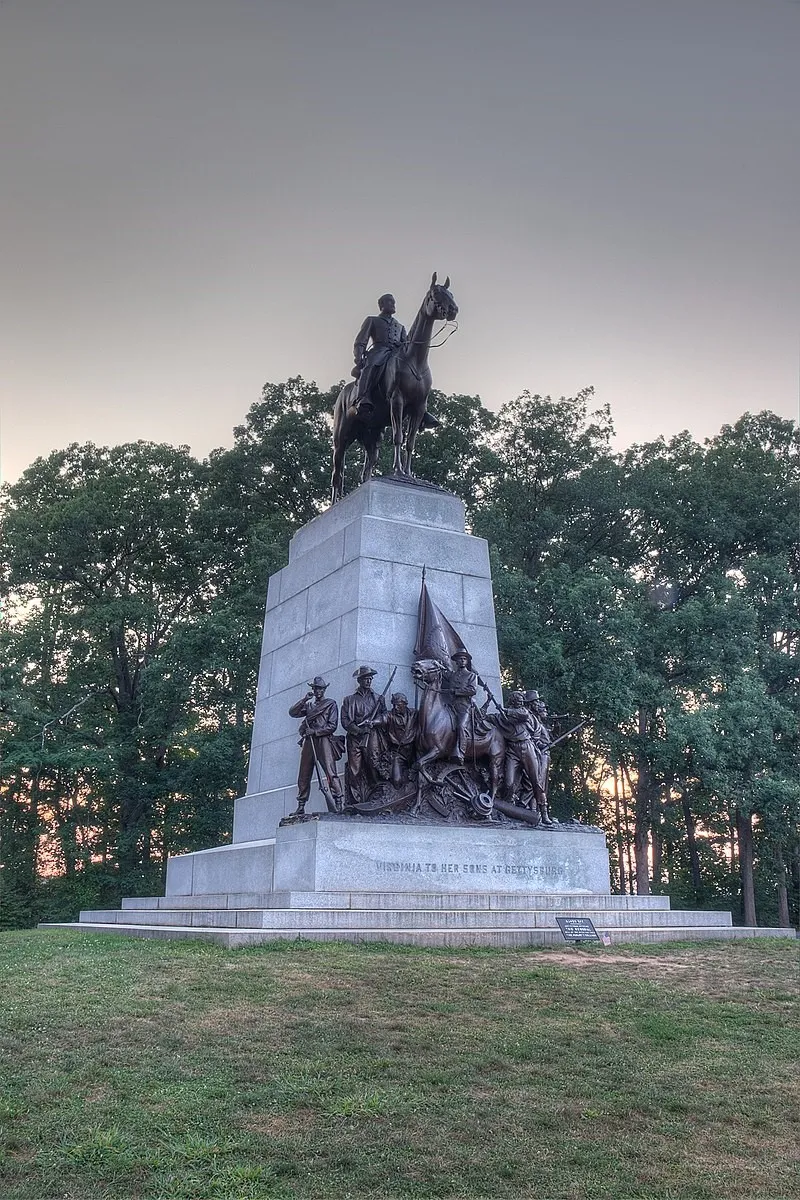
After the Civil War, Gettysburg began a long process of recovery. The battlefield was preserved, and memorials were erected to honor those who fought and died there. Veterans from both sides returned to commemorate their experiences, helping to promote reconciliation and national healing.
In 1895, the Gettysburg Battlefield was officially designated as a National Military Park, ensuring its preservation for future generations.
Gettysburg Today
Today, Gettysburg is a thriving historic destination that blends preservation with education. Visitors can explore the Gettysburg National Military Park, museums, historic homes, and monuments that tell the story of the town’s past.
Guided tours, reenactments, and educational programs allow visitors to experience history firsthand. Gettysburg continues to play an important role in helping people understand the sacrifices that shaped the United States.
Key Historical Timeline
1786 – Gettysburg founded
July 1–3, 1863 – Battle of Gettysburg
November 1863 – Gettysburg Address delivered
1895 – Gettysburg National Military Park established
Why Gettysburg Matters
Gettysburg represents a defining chapter in American history. Its lessons of courage, unity, and freedom continue to inspire visitors from around the world. Preserving its history ensures that future generations can learn from the events that helped shape the nation.